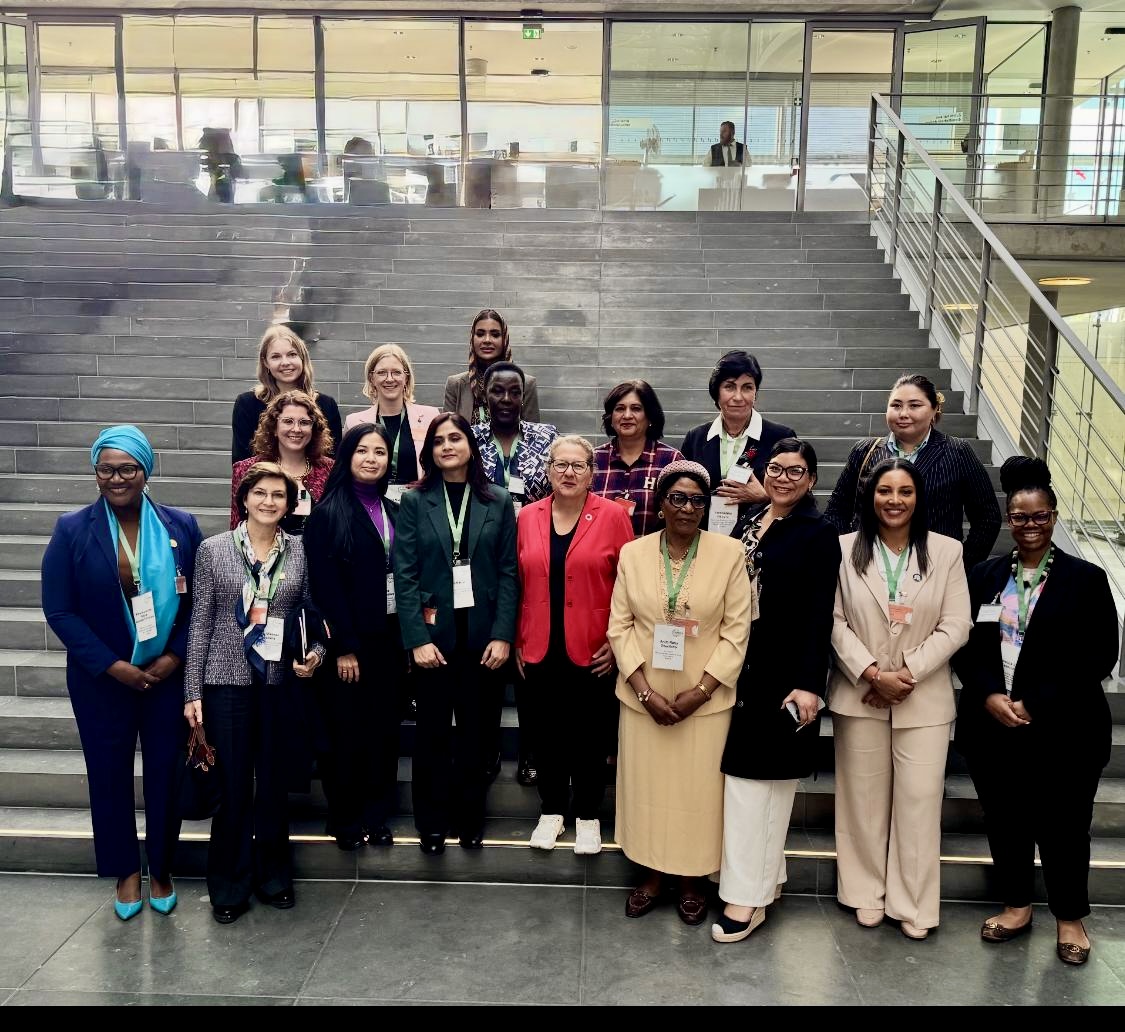
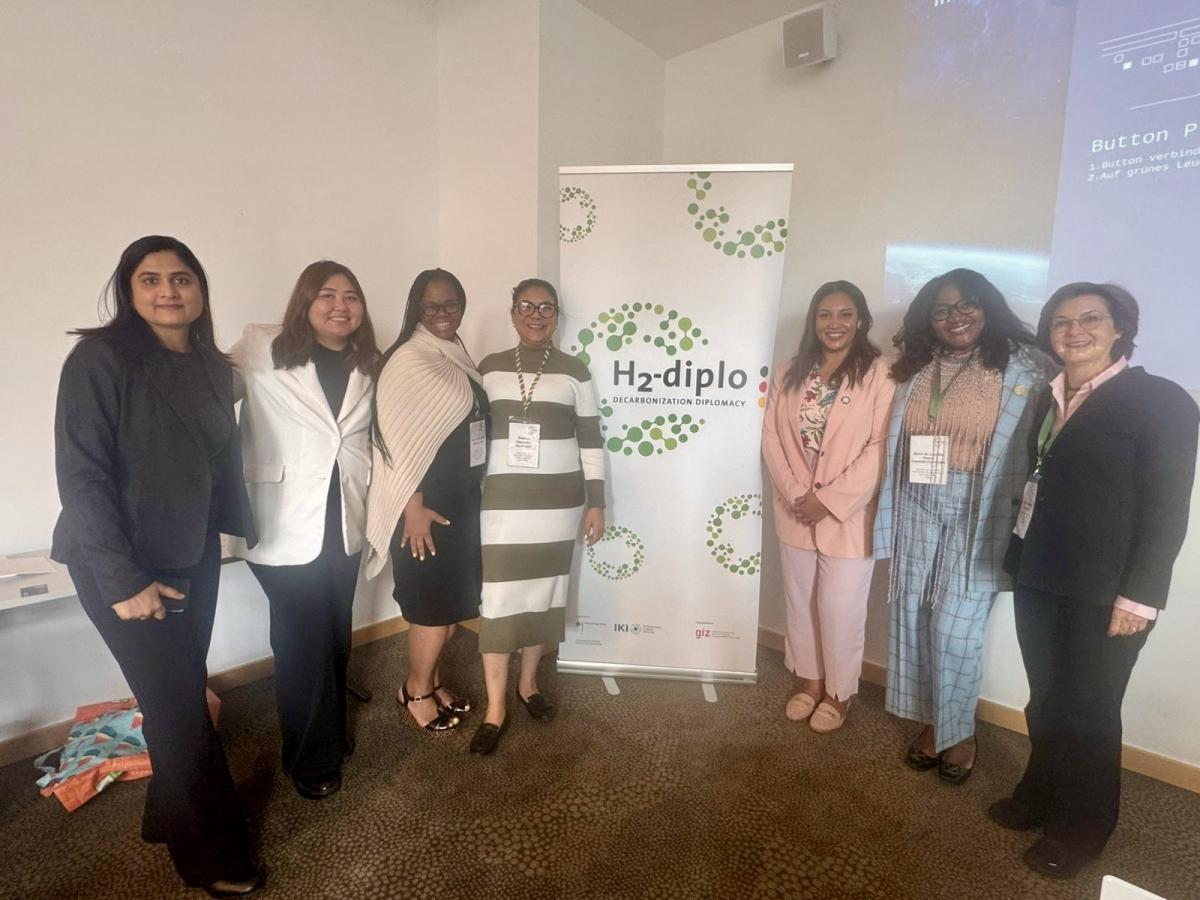
The Deputy Clerk to the National Assembly, Ms. Alexandria Faure attended an international exchange programme under the title “Female Leaders of Energy Transition” from 14th to 19th September 2025 in Berlin and Bonn, Germany. The international exchange was organized by the Decarbonization Diplomacy initiative (H2-diplo) of the German Federal Foreign Office and involved the participation of female leaders from 11 countries such as Seychelles, Angola, Colombia, South Africa, Oman, Ukraine, Brazil, Nigeria, Kenya, India and Kazakhstan. Following the UN Security Council Resolution 1325 on Women, Peace and Security, which calls for stronger female leadership in shaping peace and security agendas – including those emerging in the context of climate change prevention, the "Female Leaders of Energy Transition" exclusively targeted female representatives of national parliaments, diplomats, and decision-makers and with key roles in shaping international energy politics.
The first half of the international exchange was held in Berlin where the programme began with joint sessions hosted by the German Federal Foreign Office to exchange on Germany’s energy policies and shared perspectives on the international climate perspective. The delegates then visited the Bundestag and participated in discussions on the role of female parliamentarians on advancing energy and climate legislation and were joined by Members of Parliament such as MP Svenja Schulze, MP Elisabeth Winkelmeier-Becker and MP Violette Bock. The sessions ended with an extensive tour of the Reichstag Building and the parliamentary chamber. The following days involved participatory sessions and panels on critical reflections on geopolitical challenges and opportunities in energy transition and the delegates reinforced the need for a feminist lens in the energy transition. The three-day sessions in Berlin ended with a workshop led by Mrs. Marianna Evenstein from the Deutsche Welle’s Akademie on the ‘Media Communication of Energy Transition and Climate’. It was unanimously agreed during the sessions in Berlin that in an era of accelerating climate change impacts and geopolitical competition for green tech leadership, the energy transition is a strategic necessity for all countries.
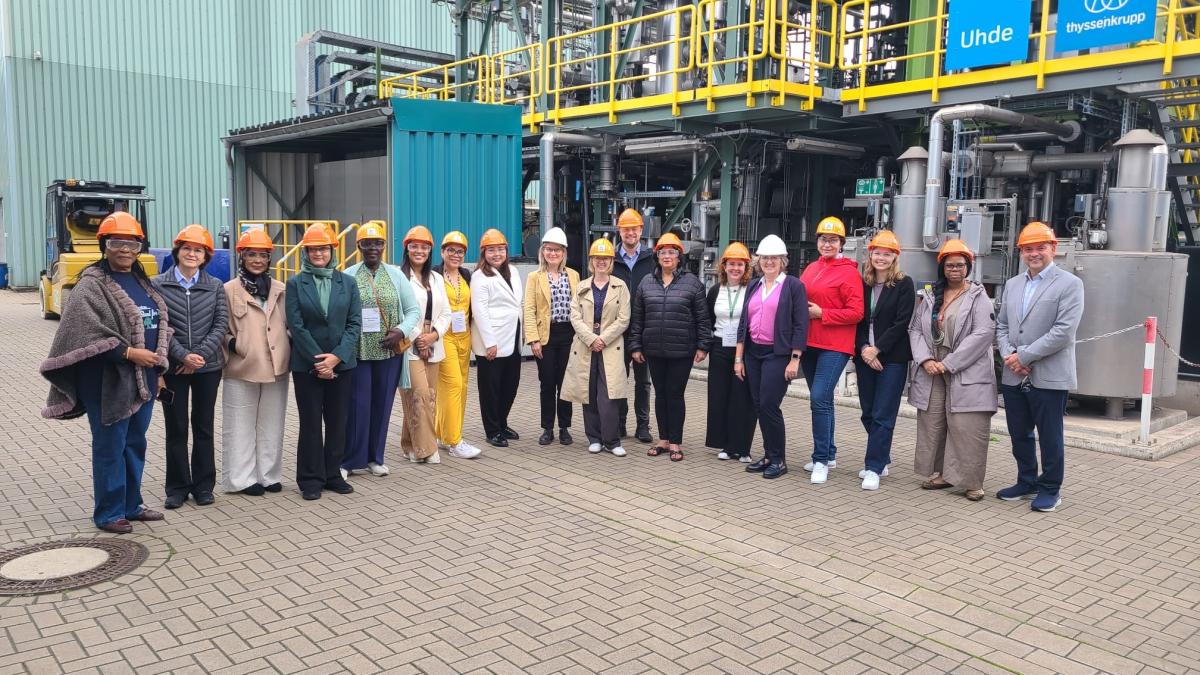
The final two days of the programme ended in Bonn whereby the first stop was a visit to the Thyssenkrup industrial park in Duisburg for first hand insights into the German Decarbonization efforts and an overview of the Carbon2Chem project on carbon capture and its use for chemical production. Discussions at Thyssenkrup involved topics such as the scope for valuable exchanges on technology co-development, research partnerships as well as challenges from the different countries.
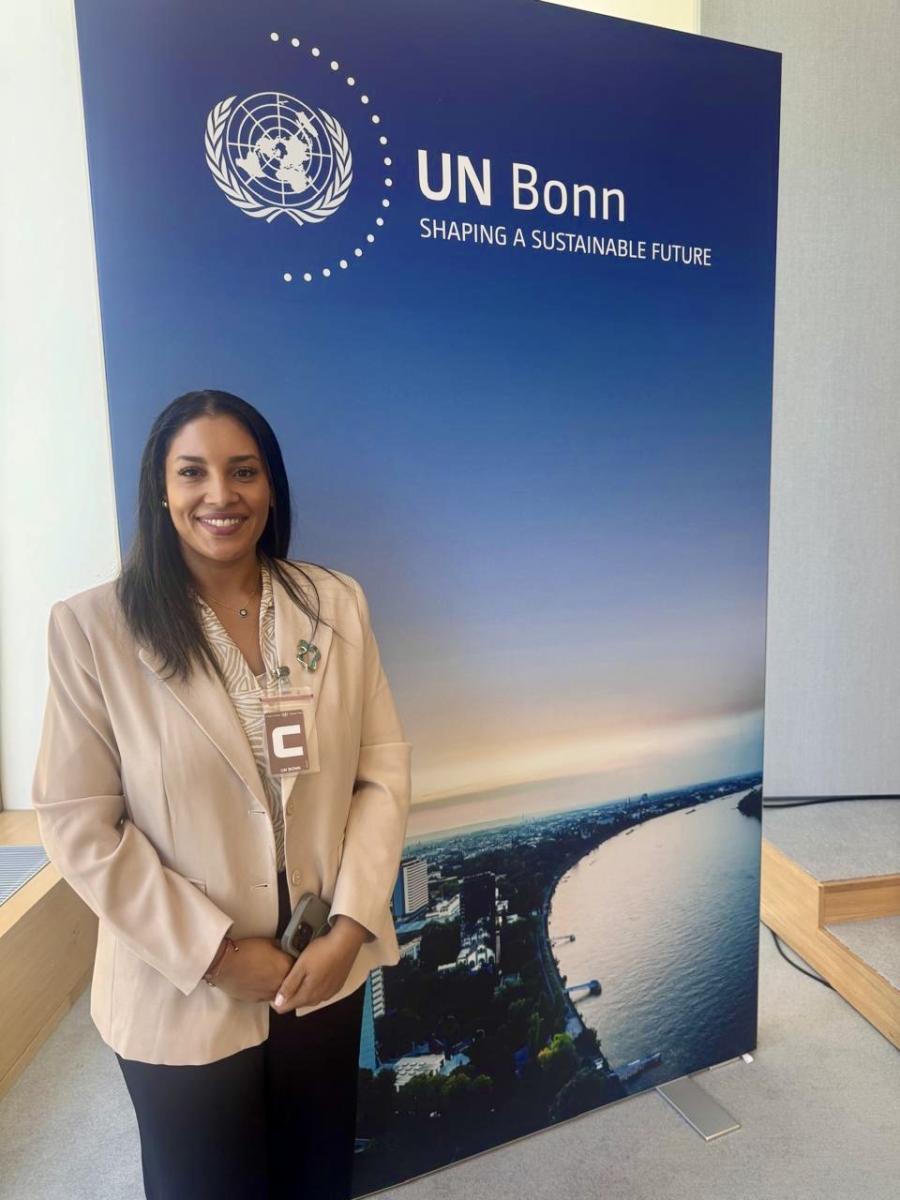
On the final day, the delegates were welcomed by the United Nations Framework Convention on Climate Change (UNFCCC) Deputy Executive Secretary Ms. Noura Hamladji at the UN Campus in Bonn. In her welcoming speech, Ms. Hamladji emphasised the need to leverage global and domestic platforms to advance climate action with special attention to security and gender dimensions. The delegates then engaged in special discussions with officials from the UNFCCC and the Germanwatch on the gender-climate-security nexus. Ms. Faure made an intervention in the session providing the unique perspective of small islands, which she coined as Big Ocean States, highlighting that energy transition is fundamental for the survival and sovereignty of those very states. She stated that “Seychelles is embracing an integrated energy transition strategy, placing security and resilience at its centre. Committed to increasing the share of renewable energy including solar, wind, and storage systems, to stabilise the grid and reduce reliance on imported fuels.”
Ms. Faure further stated that Seychelles is piloting floating solar plants, exploring decentralised mini-grids and ocean energy potential and that these technologies reflect the unique needs and realities of islands and require a need for diverse investment strategies, research and innovation in these technologies. The delegates were able to discuss further the challenges and energy transition implementations of their countries as well as discuss scopes for collaboration and key take aways on the role of women in climate change across the globe.
The H2-Diplo is implemented by the Deutsche Gesellschaft fur Internationale Zusammenarbeit (GIZ) on behalf of the German Federal Foreign Office and is financed by the International Climate Initiative.