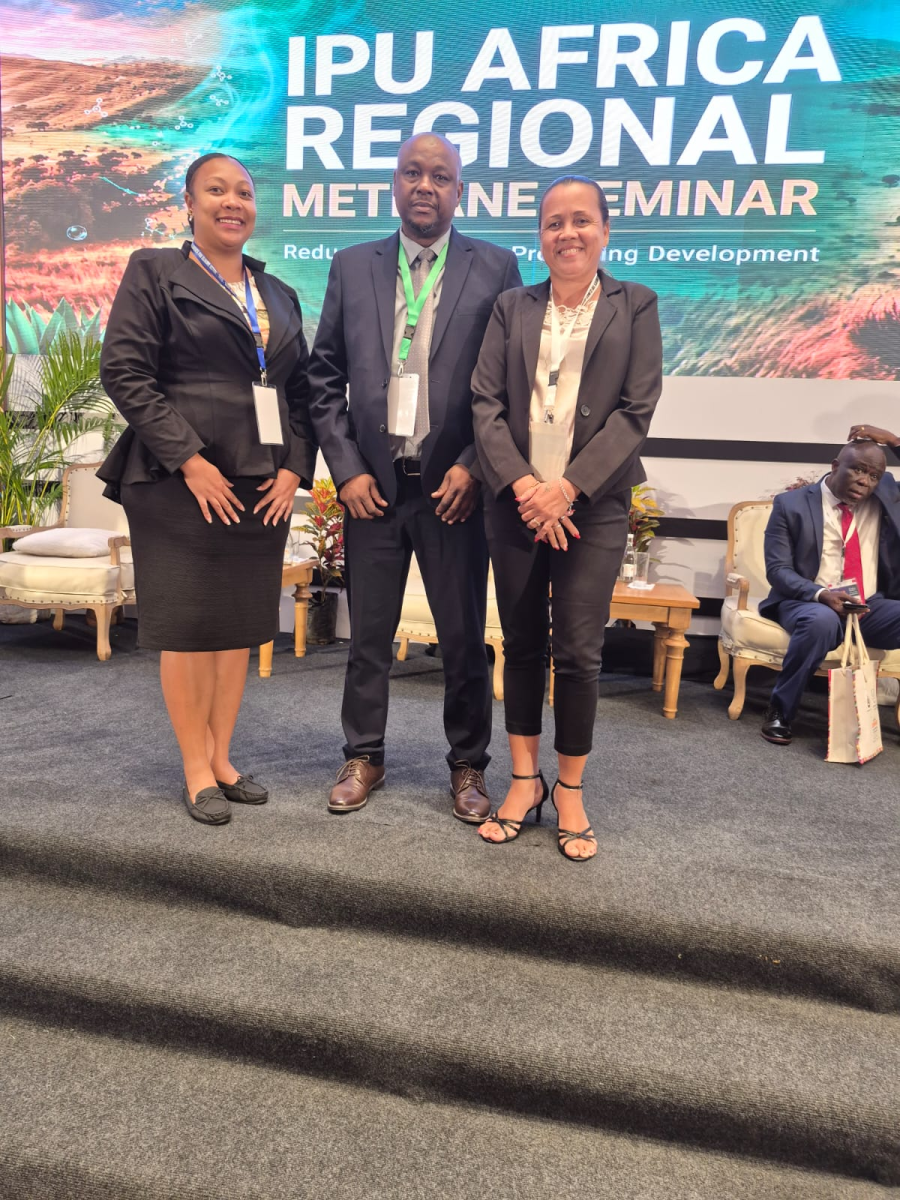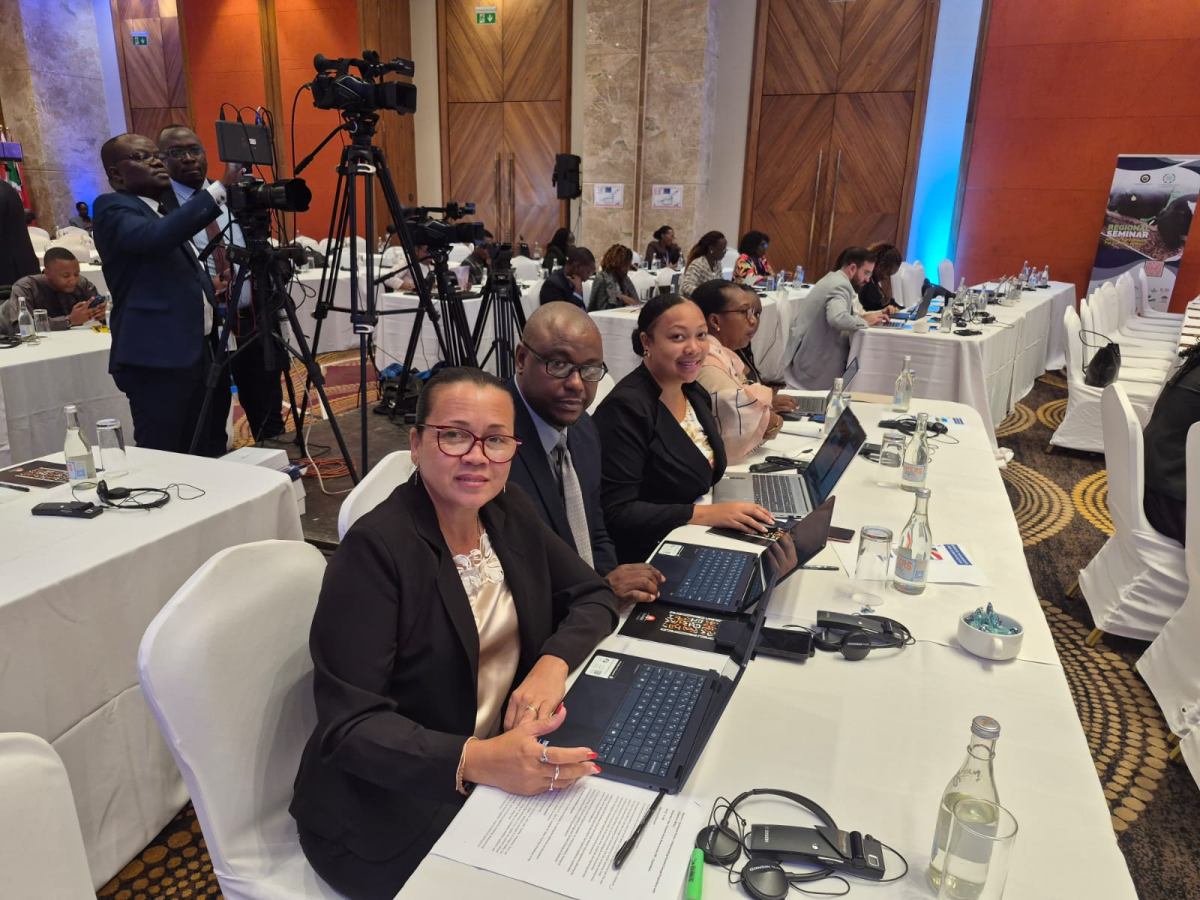
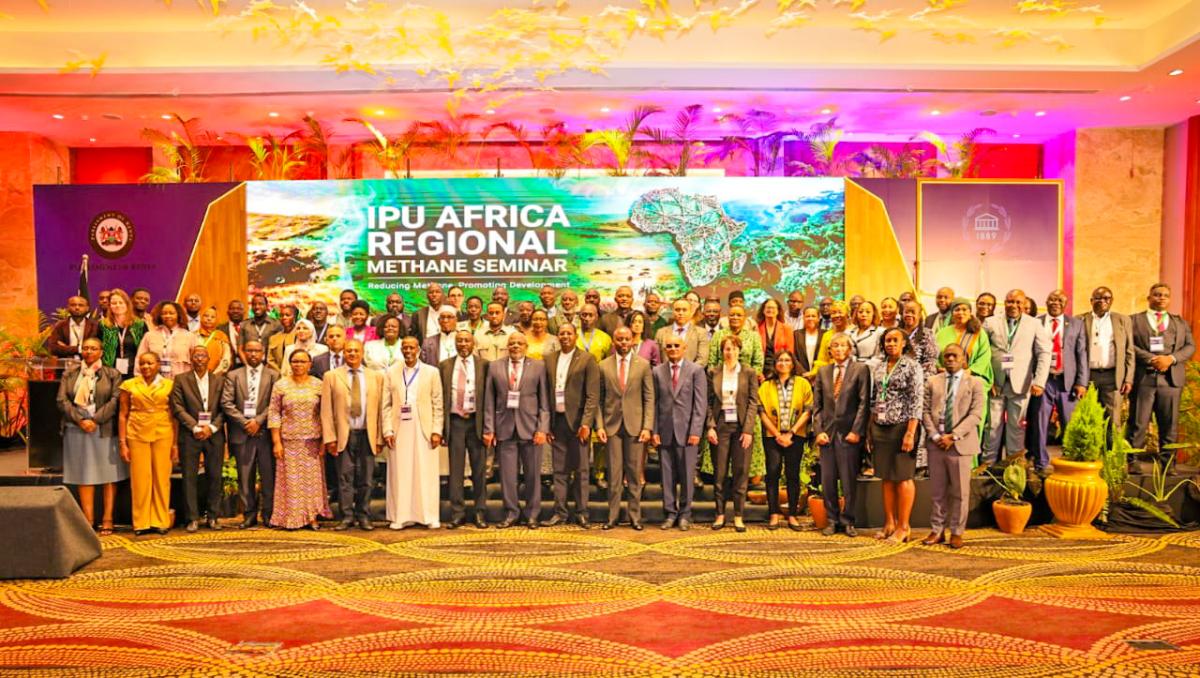
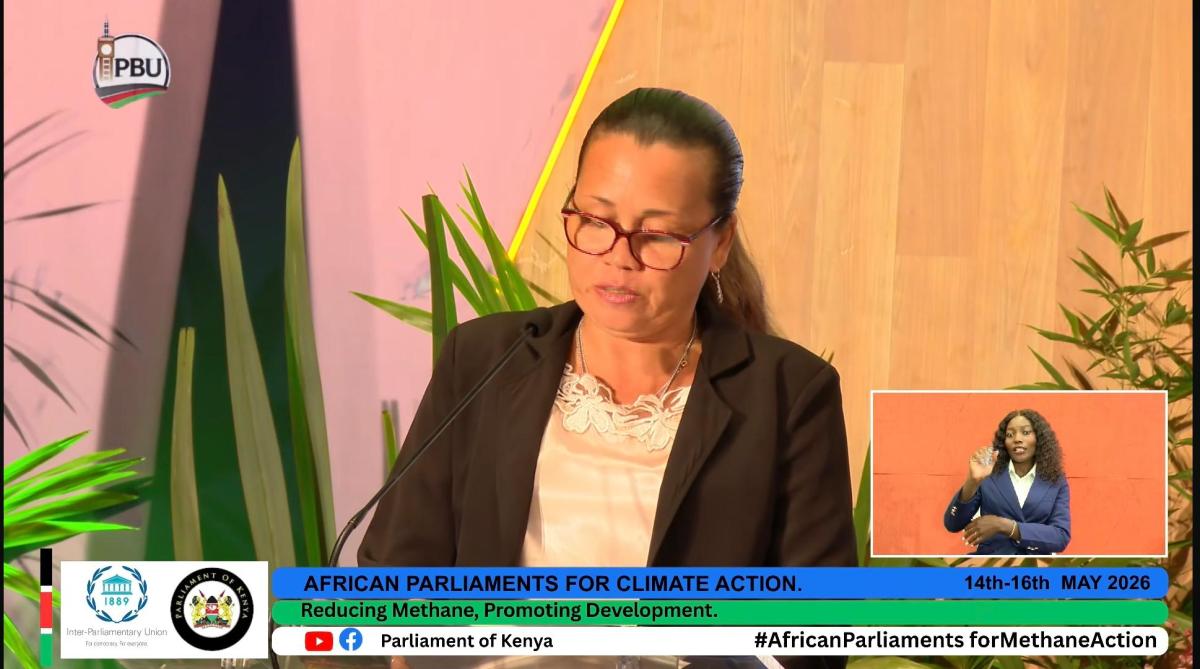
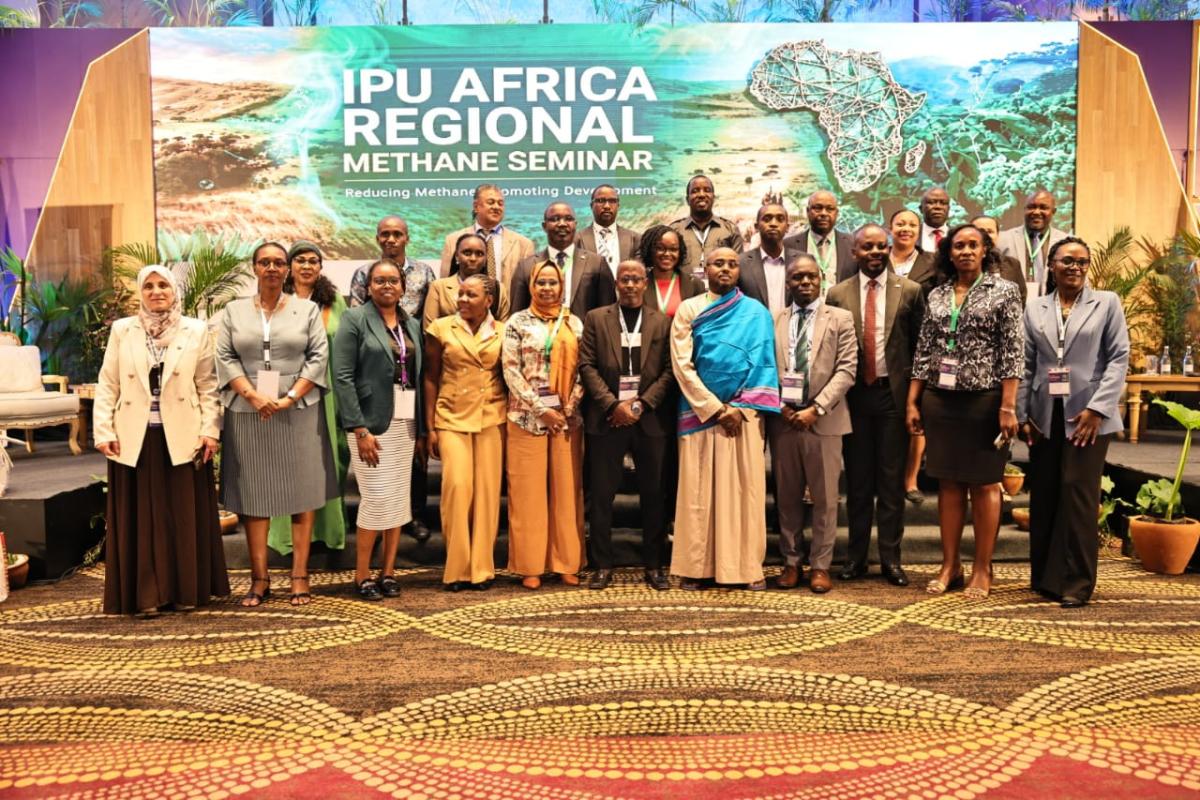
The National Assembly of Seychelles participated in a regional workshop on Methane and Climate Action from the 15th to the 18th of May 2026, hosted in Nairobi, Kenya. The event was organized by the Inter-Parliamentary Union (IPU) in partnership with the Climate Parliament and UNIDO with support of the Green Climate Fund as part of the Parliamentarians for Climate Finance (PCF) project. Seychelles was represented by the Chairperson of the Parliamentary Steering Committee for the PCF project, Hon. Cecile Larsen, Committee Member, Hon. Francois Adelaide, and Committee Clerk to the Committee on Environment, Fisheries and Tourism (CEFT), Ms. Samia Lebon.
The workshop aimed to foster a greater understanding of methane’s role within African climate and development agendas, while exploring the integration of methane abatement into national legislation, budgeting, and oversight mechanisms. The event also focused on scaling up Green Energy Constituencies as a model for clustering of clean energy, green industry, and inclusive economic growth.
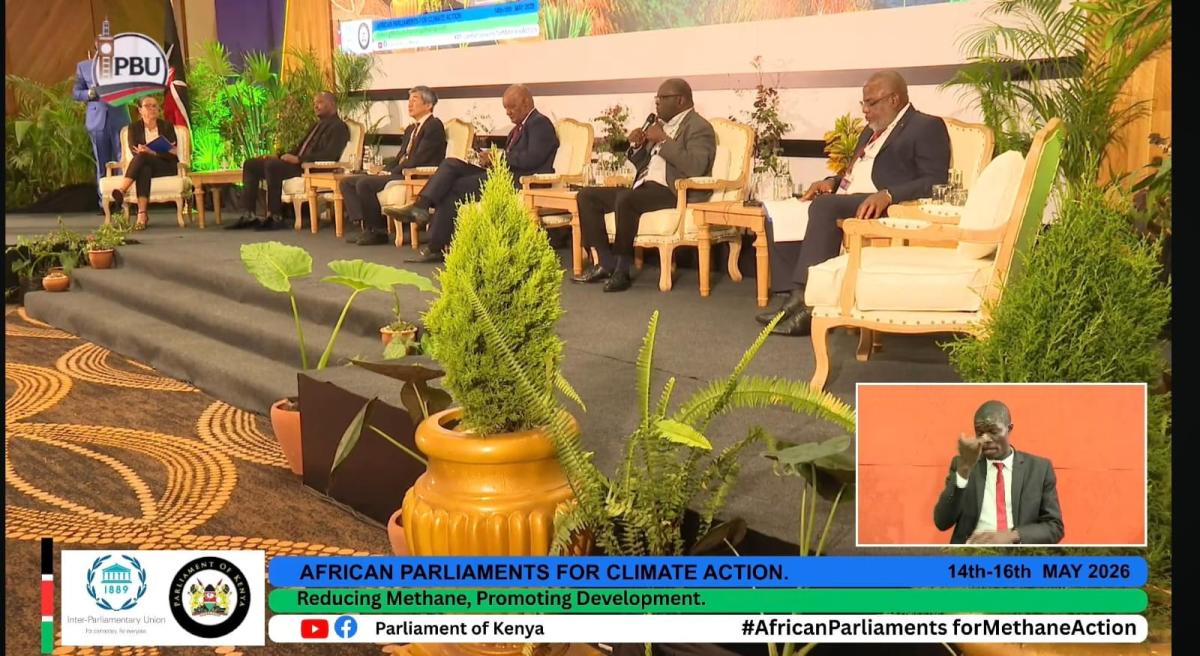
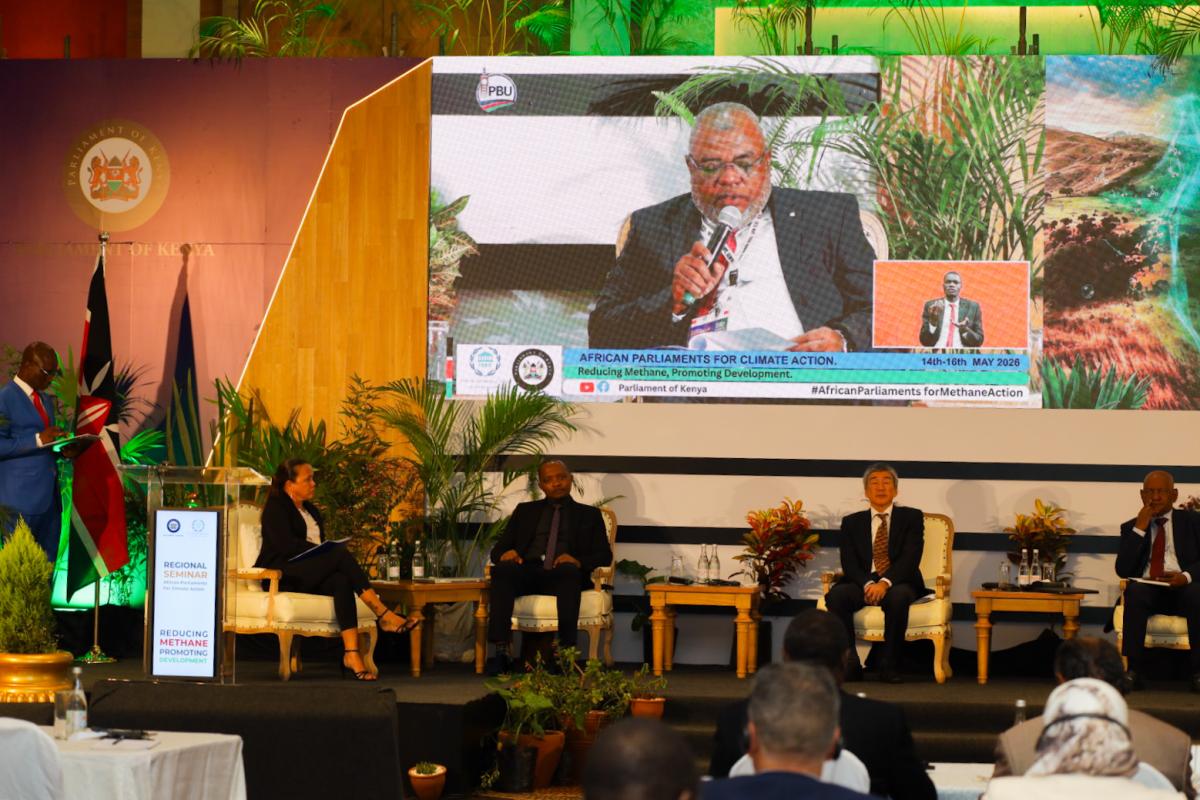
The sessions began on the 15th of May, covering the science and African context of methane, with a particular focus on agriculture and waste systems. Hon. Larsen moderated the first session which centered on understanding climate change projections and impacts in Africa. Panelists discussed methane as a cross-cutting driver that intensifies challenges related to waste, food security, development, and public health. Hon. Larsen also provided context on the climate challenges facing Seychelles as a Small Island Developing State (SIDS), affirming that building resilience and advancing sustainable growth must be pursued together. Panelists discussed methane as a multiplier of issues escalating land waste, food security, development, and health challenges.
Day two focused on parliamentary action on methane reduction and climate solutions. The sessions explored methane emissions from waste systems, their links to health and development, and opportunities for legislative action and regional collaboration. The sessions highlight decentralized energy systems as a pathway for reducing methane emissions, expanding clean energy access, and advancing broader climate and development objectives.
Participants visited the Sleeping Warrior Special Economic Zone on the 17th of May at Elementaita, one of Kenya’s green industrial projects. The Sleeping Warrior is designed as a mixed-use green industrial park powered by geothermal, solar, and wind energy, with an ambition to aggregate up to 1 GW of renewable power for the region. Through the visit participants were able to consider how special economic zones can serve as green energy zones where industries are powered by clean energy lowering carbon footprints while improving competitiveness and creating employment.
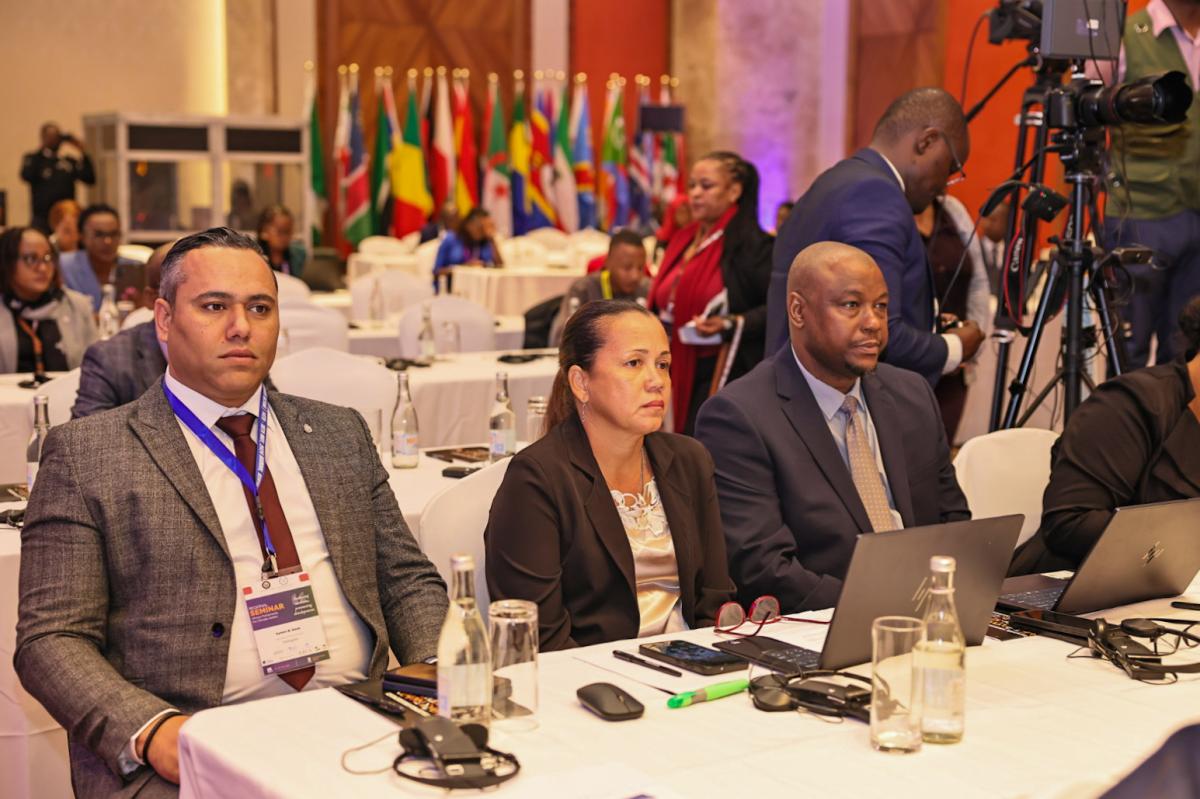
Overall, the sessions provided practical frameworks and real-world examples for integrating methane abatement into legislation, budgeting, and parliamentary oversight mechanisms. The workshop also reinforced the critical role of parliamentarians in advancing climate action, climate-resilient development, strengthening accountability, and promoting inclusive growth.