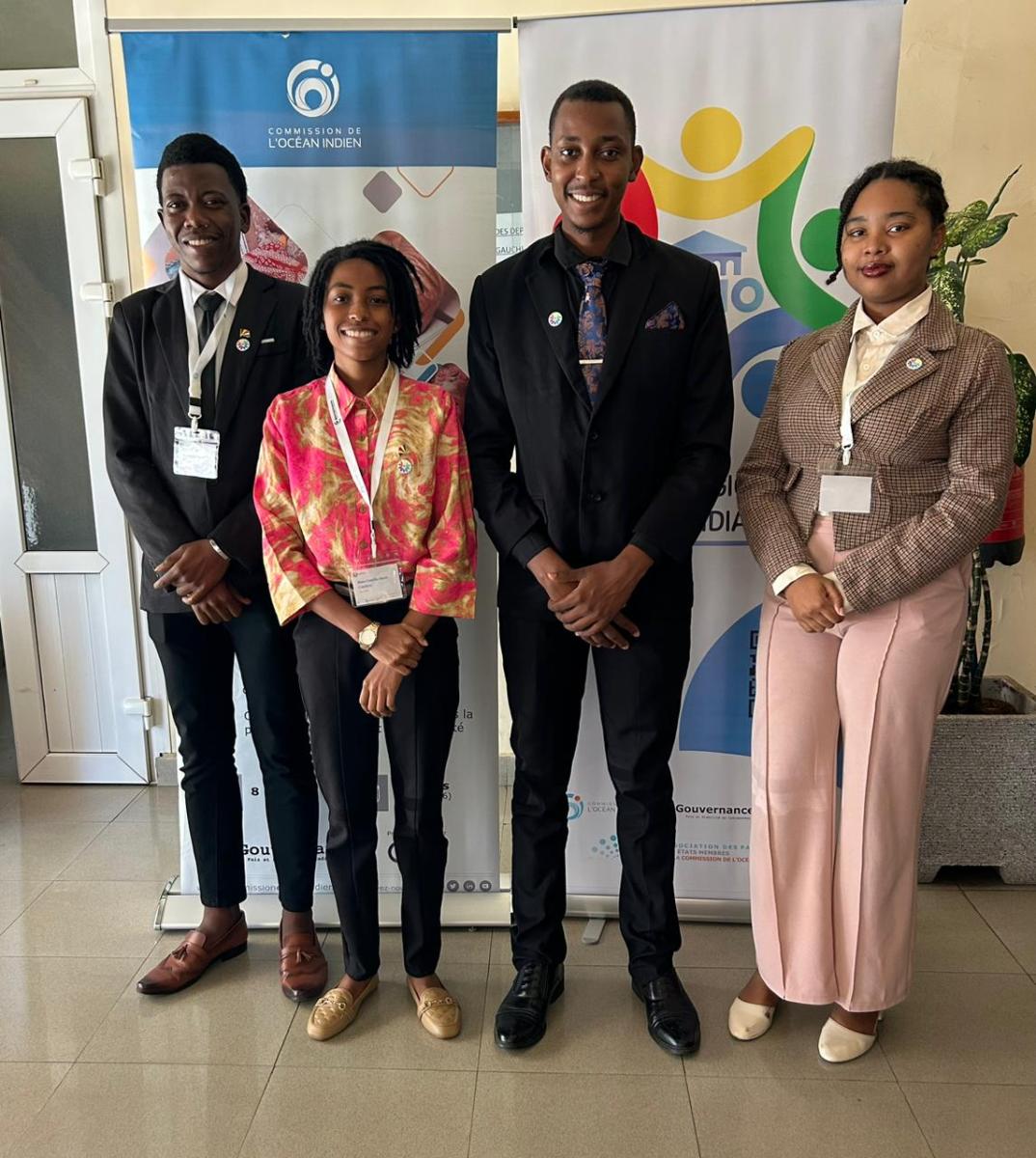
The Parlement Régional des Jeunes de l’Indianocéanie (PRJIO) held its third Plenary Session in Madagascar from 18th to 20th May 2026, bringing together its young members from the Indian Ocean region for three days of exchanges, consultations, thematic discussions, and resolution drafting. Representing Seychelles at the session were members of the Seychelles PRJIO group, namely Ms. Camilla Cupidon, Mr. Fredo Dubel, Ms. Elgin Crea and Mr. Fabien Jeanne.
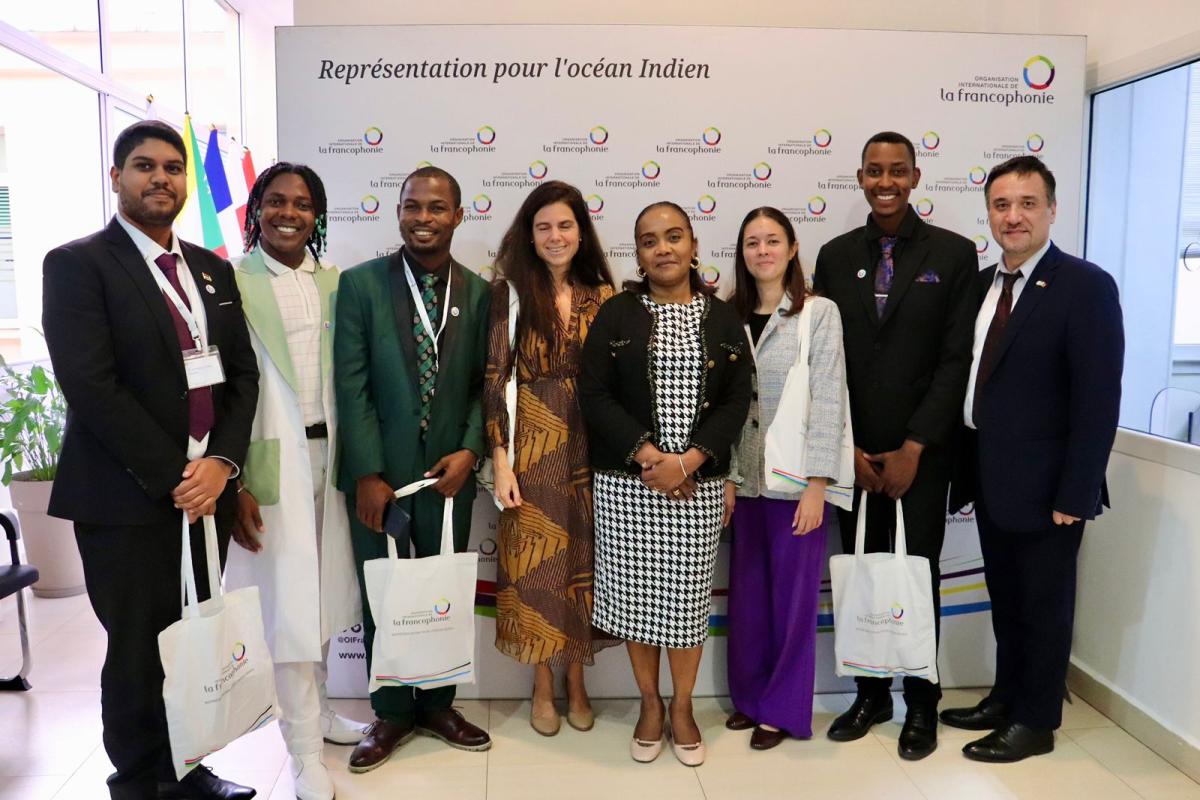
The session opened with discussions on the governance of the Commission de l’océan Indien (COI), during which members received updates on the organisation’s ongoing work, regional priorities, and areas of focus. These discussions provided members with a broader understanding of the COI’s role in promoting cooperation and addressing shared challenges across the Indian Ocean region.
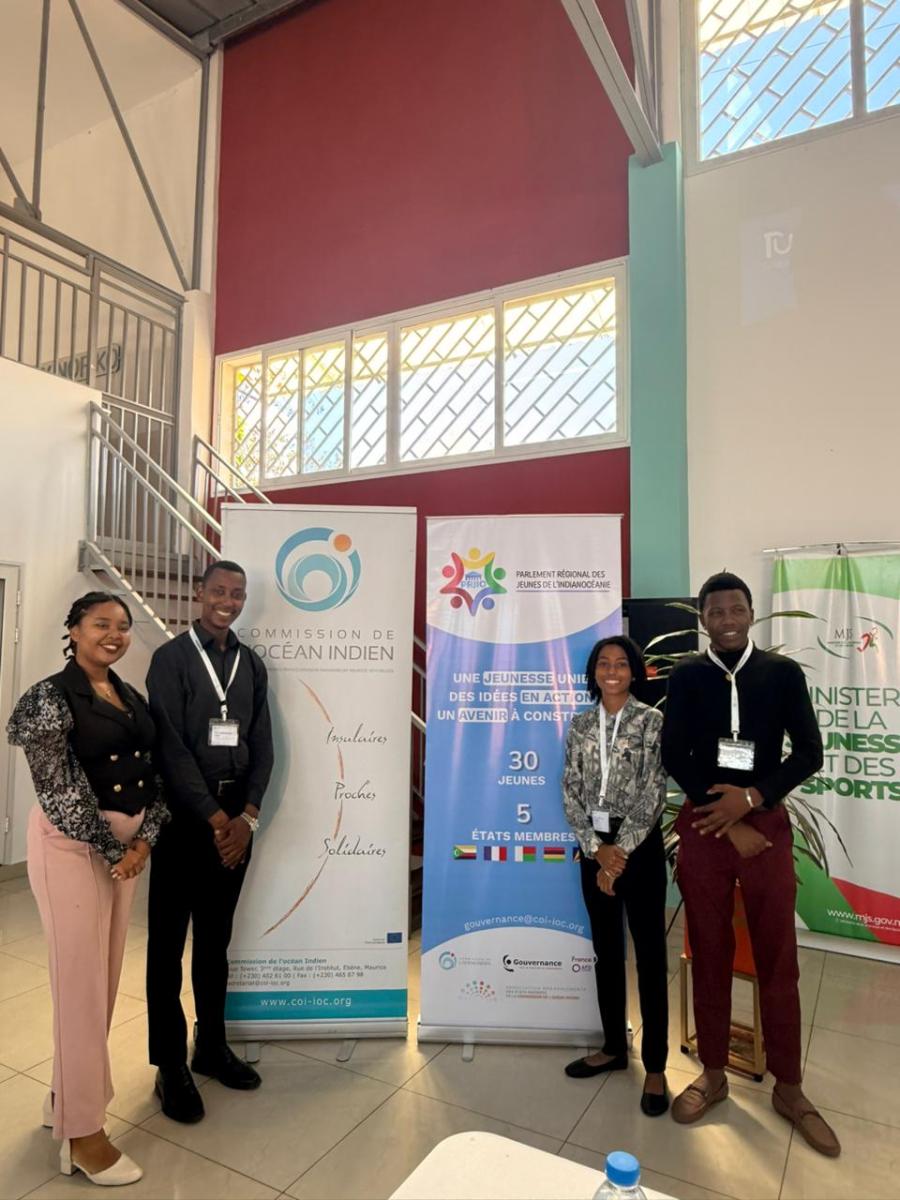
As part of the programme, members also met with representatives from civil society organisations and non-governmental organisations working in maritime, geopolitical, and democratic fields. These exchanges allowed members to better understand regional realities and ensured that the resolutions being developed reflected current issues affecting the region.
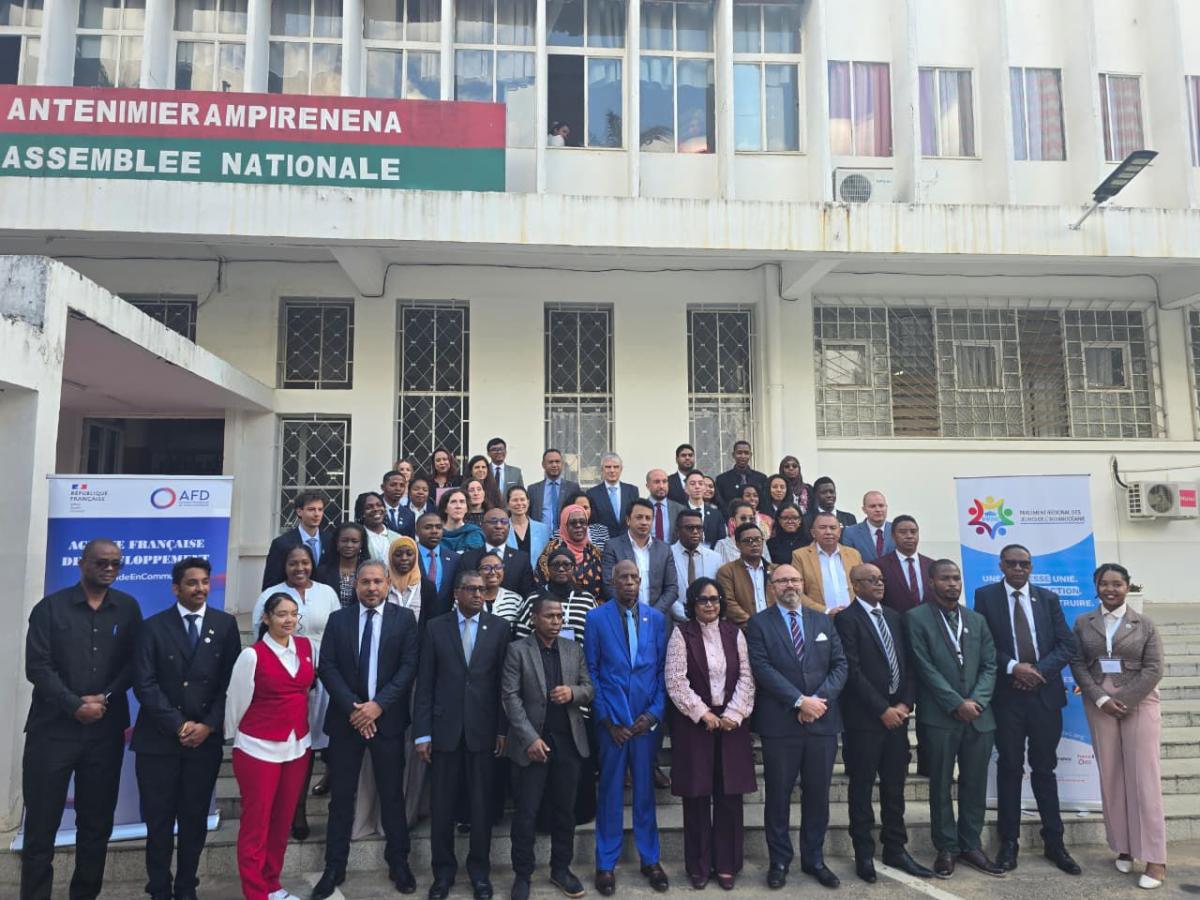
The programme further included exchanges with representatives of the Ministry of Youth and Sports of Madagascar and UNESCO, focusing on youth-related priorities, regional cooperation, and the role of young people in contributing to policy discussions. Members later worked in thematic commissions, where they debated, drafted, and finalised resolutions based on the key areas addressed throughout the session.The resolutions were officially presented and passed at the National Assembly of Madagascar, in the presence of officials from the Assemblée Parlementaire de la Commission de l’océan Indien (AP-COI). Members also engaged with AP-COI representatives on ways to further support the PRJIO and strengthen its work, visibility, and impact across the region.
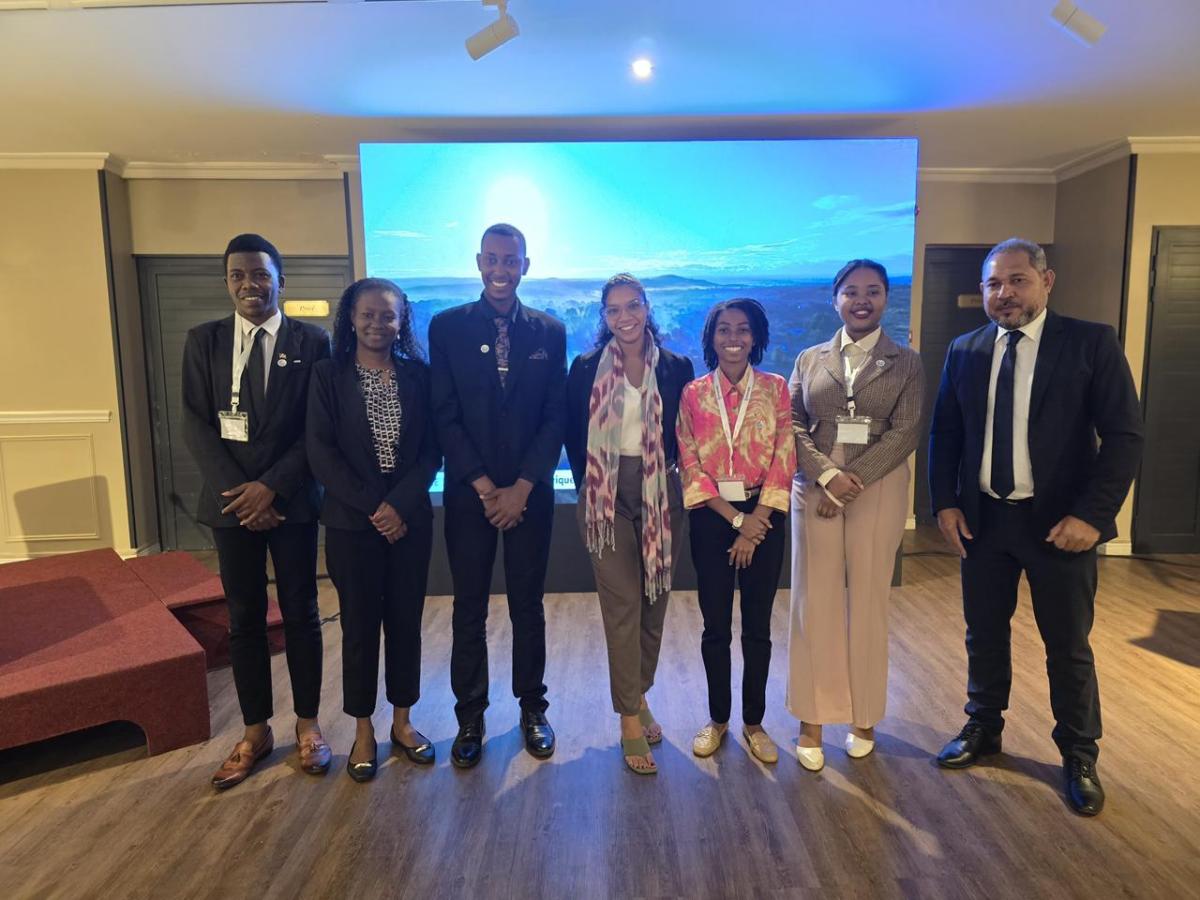
The plenary session also included a seminar on Artificial Intelligence in Parliaments, providing members with insight into the growing role of artificial intelligence in parliamentary work and its potential to support innovation, efficiency, and informed decision-making within democratic institutions.


